

Diwali is magic.
The diyas. The rangoli. The sound of laughter filling the house. The smell of sweets from the kitchen. And in the middle of it all — your child, eyes wide, watching the sparklers trace golden lines against the night sky.
It is one of the most beautiful evenings of the year.
It is also one of the most important evenings to think carefully about what your child is wearing.
The One Thing Most Parents Don’t Think About
Every Diwali, Indian parents spend hours choosing the perfect outfit for their child. The colour. The print. The fit. Whether it matches the family’s theme.
But there is one factor that almost never comes up in that conversation — and it should be the first one.
Fabric.
Specifically: how does the fabric your child is wearing behave around fire?
On Diwali, fire is everywhere. Diyas on every surface. Candles on staircases and balconies. Sparklers in children’s hands. Flower pots, chakras, and aerial shots lighting up the street. Even in households that don’t burst crackers, the open flames of dozens of diyas create a real environment of heat and spark.
In that environment, fabric choice is not a style decision. It is a safety decision.
What Happens to Synthetic Fabric Near Fire?
Most festive kids’ clothing sold in India — the shiny lehengas, the embellished frocks, the sparkly kurtas — is made from synthetic fabric. Polyester. Nylon. Georgette. Rayon blends.
These fabrics look beautiful in photographs. Under festive lighting, they shimmer and catch the eye.
But near an open flame, they behave very differently from cotton.
Synthetic fabrics are made from plastic-derived fibres. When exposed to heat or a spark, they do not simply burn — they melt. The fabric can fuse to skin in seconds, causing burns that are far more severe than those from natural fibre burns. Even a brief contact with a spark can cause a synthetic garment to ignite rapidly, spreading flame across the surface of the fabric before a parent can react.
This is not a theoretical concern. Burns from synthetic clothing are one of the most common festive season injuries reported in paediatric hospitals across India every year.
Why Cotton is Safer — The Science
Cotton is a natural fibre. Its structure is fundamentally different from synthetic materials — and that difference matters enormously near fire.
Cotton chars — it does not melt. When exposed to a flame, cotton fibres char and slow-burn rather than catching rapidly or melting onto skin.
Cotton self-extinguishes more easily. Remove the flame source and cotton is more likely to stop burning than a synthetic fabric, which can continue to burn on its own.
Cotton does not fuse to skin. Even in a burn scenario, cotton fabric peels away from skin — it does not bond to it the way melted synthetic can.
Cotton is breathable. On a warm Diwali evening, with the excitement of the festival and the heat of dozens of diyas, synthetic fabrics trap body heat. Cotton keeps children cool and comfortable throughout the evening.
This is why the National Burns Centre of India recommends natural fibres — particularly cotton — for children’s clothing during festivals involving open flames.
The Practical Diwali Outfit Guide — By Age
Newborn to 12 months:
Keep it simple. A soft cotton full sleeve jumpsuit or onesie is ideal. Babies this age have no business near sparklers — keep them indoors, warm, and in pure cotton. A printed cotton jumpsuit from Inbawears is perfect: soft, safe, and festive with the right print.
1 to 3 years:
Toddlers are curious and fast-moving. This age group is at the highest risk near Diwali fire sources because they move unpredictably. A cotton co-ord set — full sleeve top and matching bottom — keeps them covered and safe. Avoid anything with long dupattas, trailing fabric, or synthetic embellishments that could catch a spark.
4 to 8 years:
Children this age often hold sparklers themselves. A well-fitted cotton outfit with no loose fabric is essential. Avoid flared sleeves, ruffled hems, or sheer overlays. A cotton peplum co-ord set or a fitted cotton kurta and pant set strikes the right balance between festive and safe.
Above 8 years:
Older children can understand safety instructions — but fabric choice still matters. Cotton kurtas, cotton co-ord sets, and fitted cotton outfits remain the safest choices.
5 Diwali Outfit Rules Every Parent Should Follow
1. Choose cotton over synthetic — always.
If the label says polyester, georgette, nylon, or rayon — put it back. On Diwali, cotton is non-negotiable.
2. Avoid loose, trailing fabric.
Long dupattas, flared sleeves, and trailing hems near diyas and candles are accident-waiting-to-happen. Keep silhouettes fitted and fabric close to the body.
3. Skip the synthetic embellishments.
Sequins, beads, and synthetic lace may look beautiful — but they are often made from or attached with synthetic adhesive that can react badly to heat. Choose printed cotton over embellished synthetic.
4. Dress in layers you can remove.
A cotton inner layer with a removable cotton outer piece gives you flexibility — and lets you quickly remove a garment if needed.
5. Check the fit.
Tight is safer than loose on Diwali. Not uncomfortable — but fitted enough that fabric doesn’t trail or flap near flame sources.
Inbawears Diwali — Safe, Soft, and Festive
At Inbawears, every piece is made from 100% pure cotton — crafted in Tiruppur, India’s knitwear capital. Our festive collection includes:
Baby full jumpsuits — perfect for newborns and babies up to 36 months. Soft, safe, and available in vibrant Diwali-ready prints.
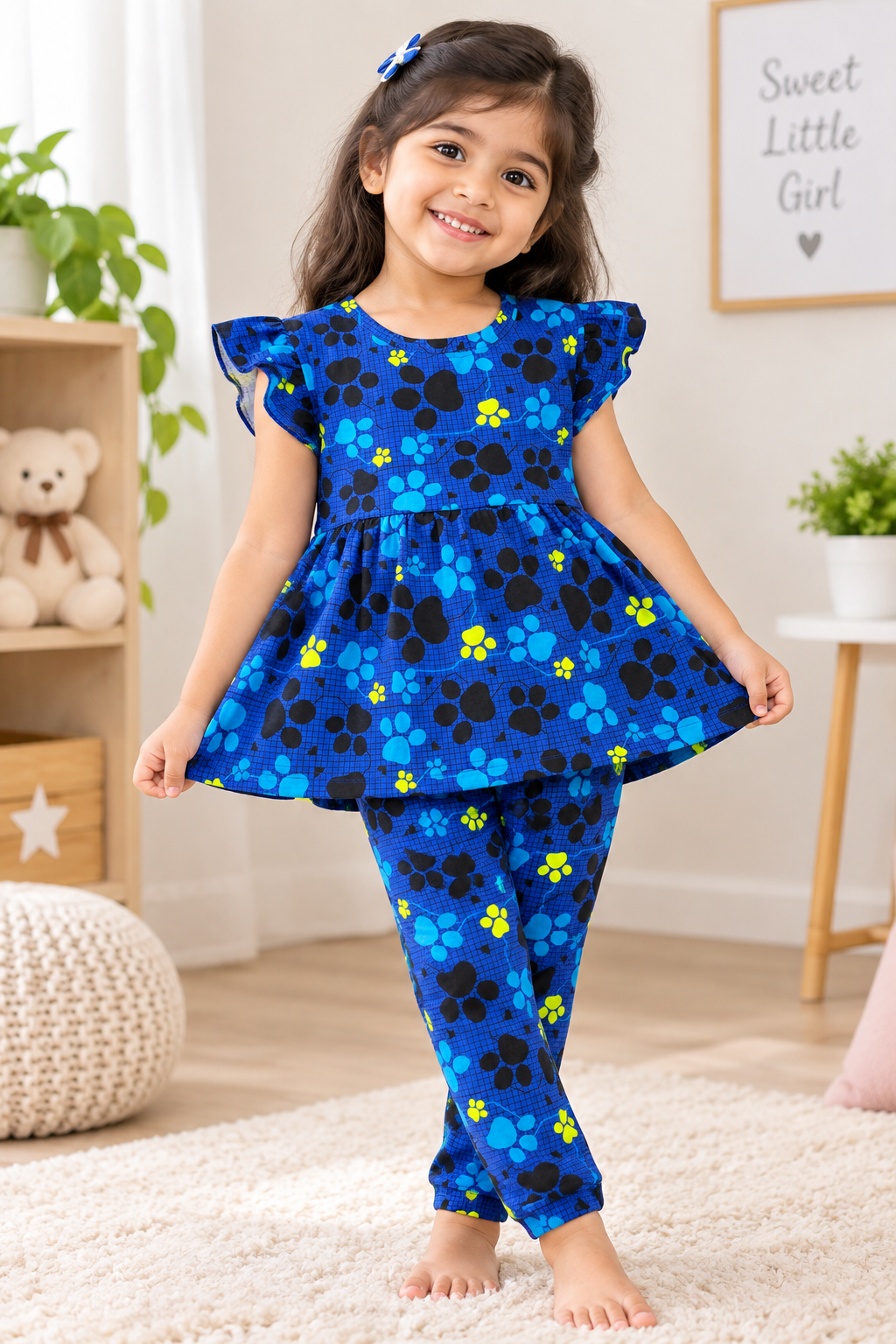
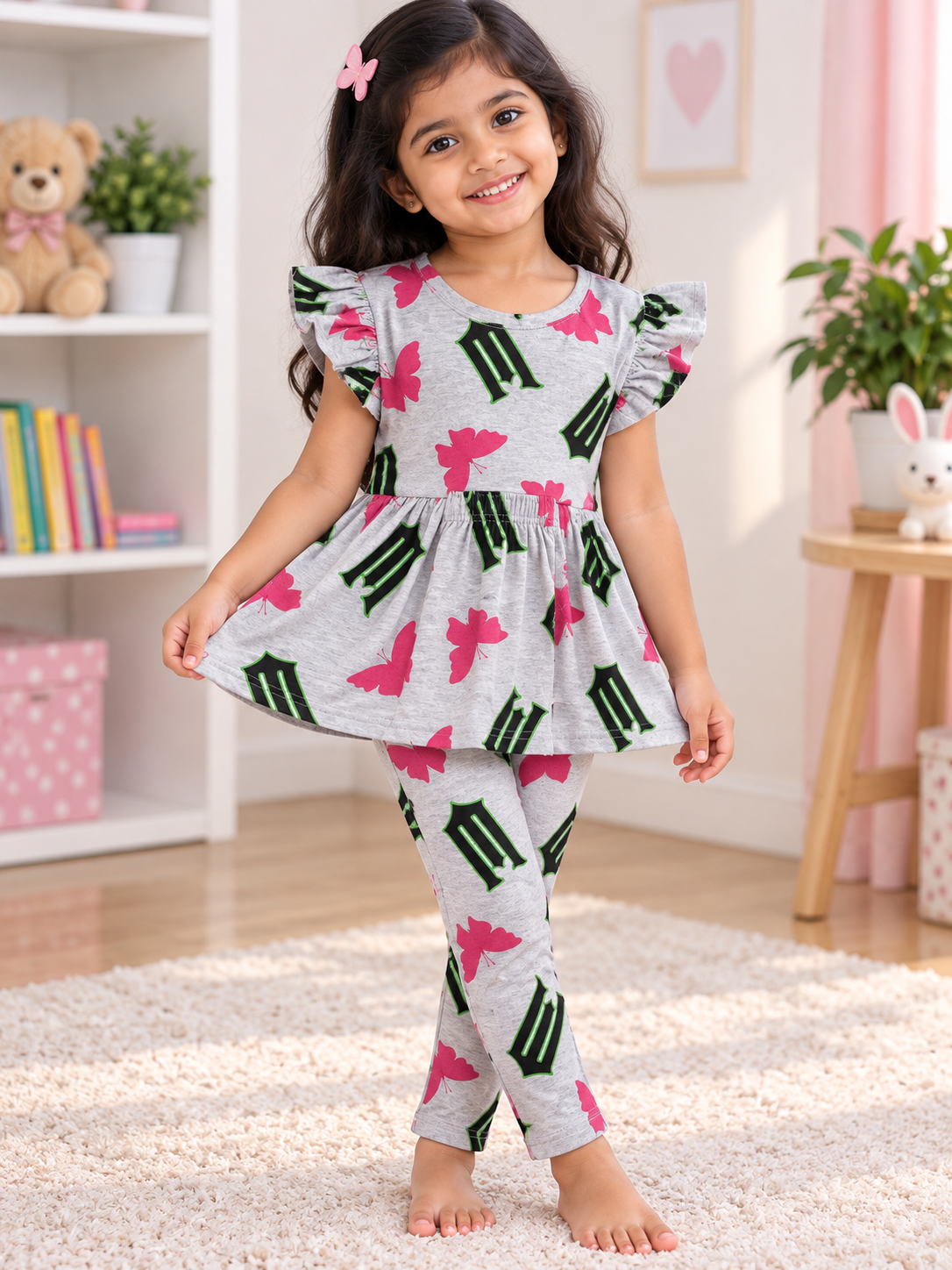
Girls peplum co-ord sets — fitted, festive, and fully cotton. Available in floral, printed, and colourful designs for girls aged 1–8 years.
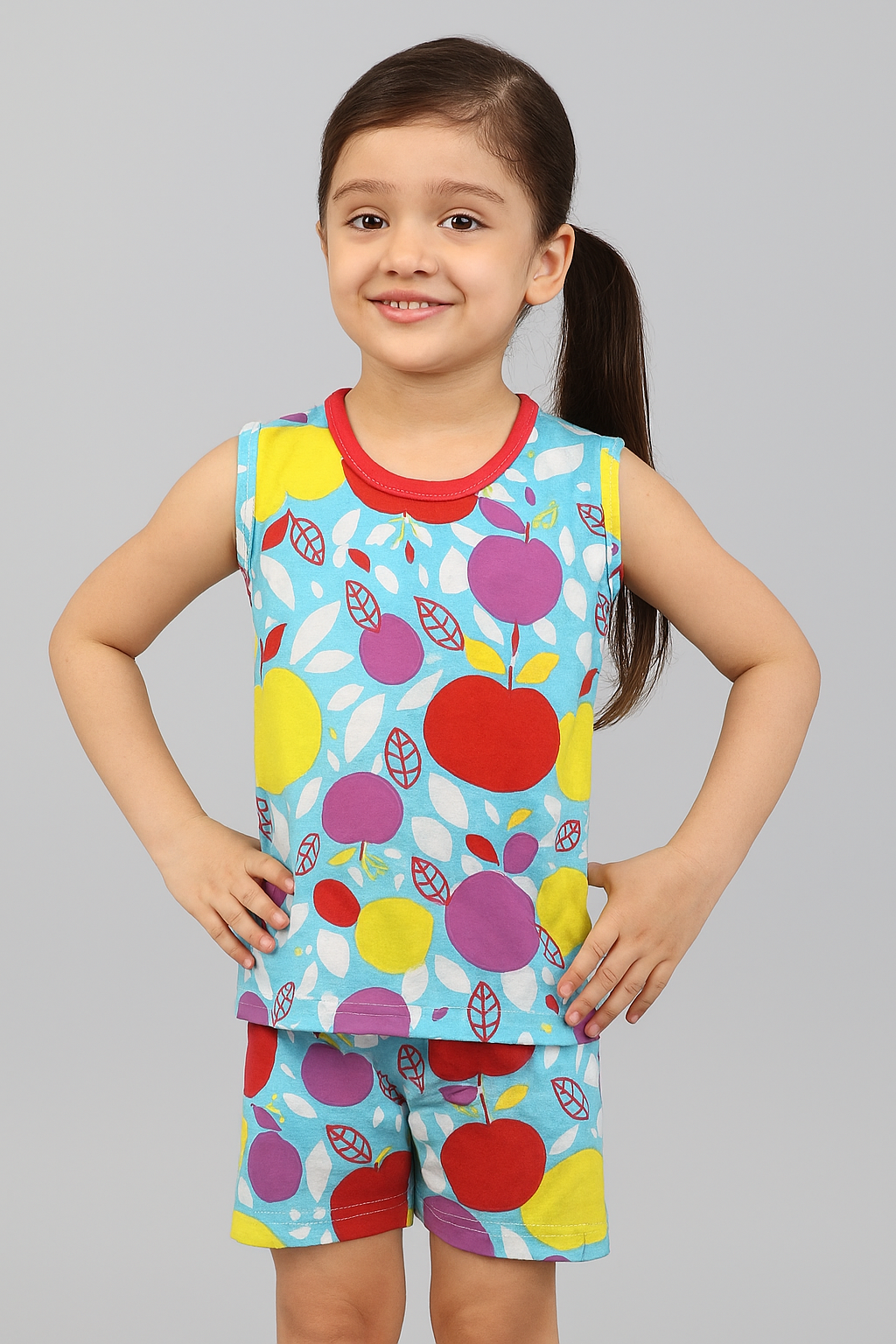
Kids co-ord sets — full sleeve matching sets for boys and girls aged 1–10 years. Safe, comfortable, and made for an active Diwali evening.
All from Rs.199. Free shipping across India. Made in Tiruppur.
Because the best Diwali outfit is the one that keeps your child safe — and smiling — all evening long.
Shop Diwali-Safe Cotton Kids Outfits → inbawears.com
One Last Thing
This Diwali, when you’re choosing your child’s outfit — look at the label before you look at the price tag or the photograph.
If it says 100% cotton — you’re good.
If it doesn’t — keep looking.
Your child’s safety is worth one extra minute of label-reading.
Happy Diwali from Inbawears. 🪔